Support that adapts.
Our grant offerings evolve with available funding and community needs, helping organizations strengthen operations and respond to change.
Photo: Children’s Museum of Atlanta


Our grant offerings evolve with available funding and community needs, helping organizations strengthen operations and respond to change.
Photo: Children’s Museum of Atlanta
Tull Foundation Grant, Offered: 2026
These grants are targeted for nonprofits that have been directly affected by federal funding or policy changes to support business model redesign.
The Foundation seeks to award $100,000 grants to approximately 20 nonprofits.
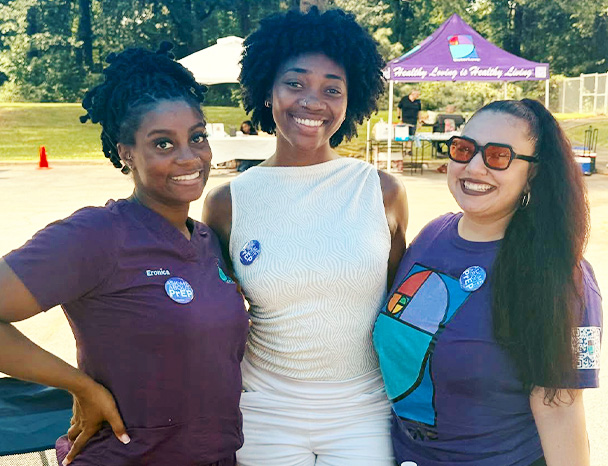
Photo: SisterLove
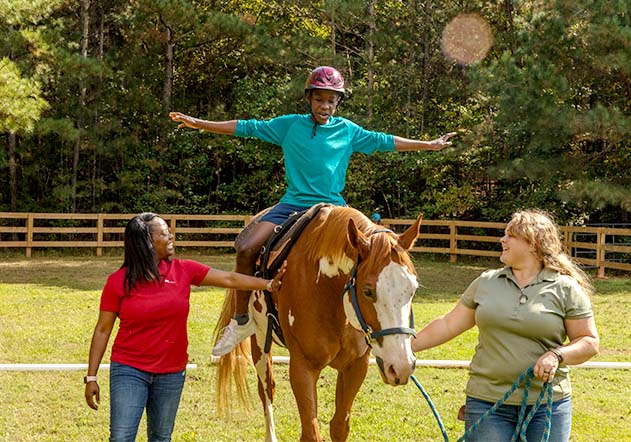
Photo: Youth Villages Inc.
Tull Foundation Grant, Offered: 2025
These grants supported general operating of Tull Grantees 2022-2025 with 25 to 75% of revenue coming from public funds. Within this pool, grantees that provide for basic needs received additional grant support.
The Foundation awarded 40 grants ranging from $10,000-$40,000.
Tull Foundation Grant, Offered: 2015-2025
These grants support the infrastructure, systems and physical space that help organizations grow and strengthen their long-term effectiveness.
The Foundation awarded approximately 30 grants annually with average grant size $75,000.
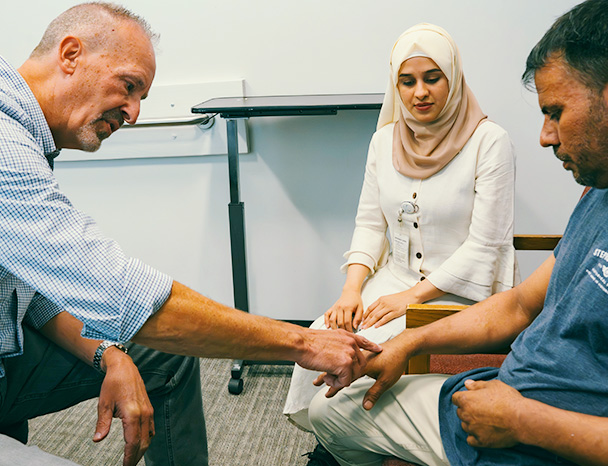
Photo: Ethne Health
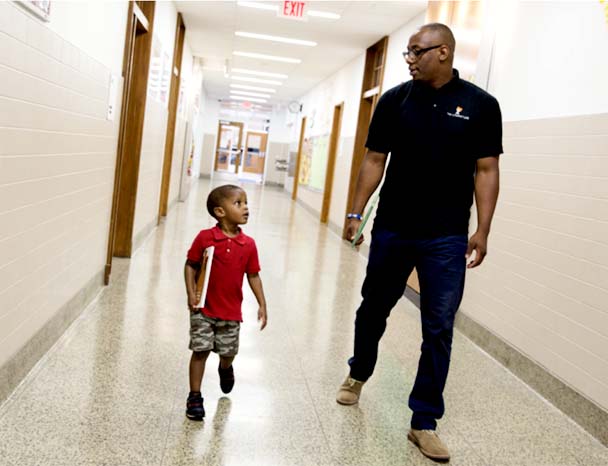
Photo: GreenLight Fund Inc.
Tull Foundation Grant, Offered 2025-2026 (by invitation only)
These grants aim to support organizations that are helping to educate policymakers and community stakeholders about the real-time impact of federal policy changes, and that are advancing equitable policies, strengthening access to services and increasing or protecting public resources for communities facing the greatest barriers.
Collaborative Grant, Offered 2020
The Atlanta Emergency Response Collaborative (AERC) was formed by a group of Atlanta-based foundations to streamline emergency funding during the COVID-19 pandemic. Through a shared application process, nonprofits could apply once to be considered by multiple funders, helping frontline organizations quickly access resources to serve Atlanta’s most vulnerable communities. The collaborative complemented other philanthropic efforts across the region while allowing foundations to continue supporting nonprofits through additional funding channels.
Photo:
Photo:
Managed by six participating foundations, Offered Fall 2021
In response to the rise in housing instability during the pandemic, a coalition of foundations distributed $720,000 to 13 Metro Atlanta nonprofits. Funding supported organizations helping residents access rental relief, providing assistance to underserved households, strengthening nonprofit capacity, and offering advocacy and legal support to families facing eviction.
Managed by the Ray C. Anderson Foundation
Offered 2024-2026
These grants supported the Drawdown Georgia mission by supporting climate solutions that create opportunity and strengthen communities. Funding helps nonprofits empower BIPOC communities across Georgia through initiatives that generate jobs, improve public health, deliver environmental benefits, and invest in neighborhoods where support is needed most.
Six two-year grants of $100,000 annually were awarded in 2024–25, with five additional grants awarded in 2025–26.
Photo:
Managed by the Community Foundation for Greater Atlanta
Offered 2026
These grants are designed to help nonprofits strengthen financial sustainability, explore new operating models and build capacity through multi-year, general operating support grants and targeted technical assistance based on the needs of nonprofits in this moment. By combining financial and non-financial resources, the fund aims to support a resilient nonprofit sector both now and in the long term.
Managed by the Community Foundation for Greater Atlanta, Offered 2026
These grants provide flexible, unrestricted support to nonprofit coalitions focused on state policy and advocacy in response to changes in the federal funding and policy environment impacting vulnerable populations in Georgia.

– Kindred Futures